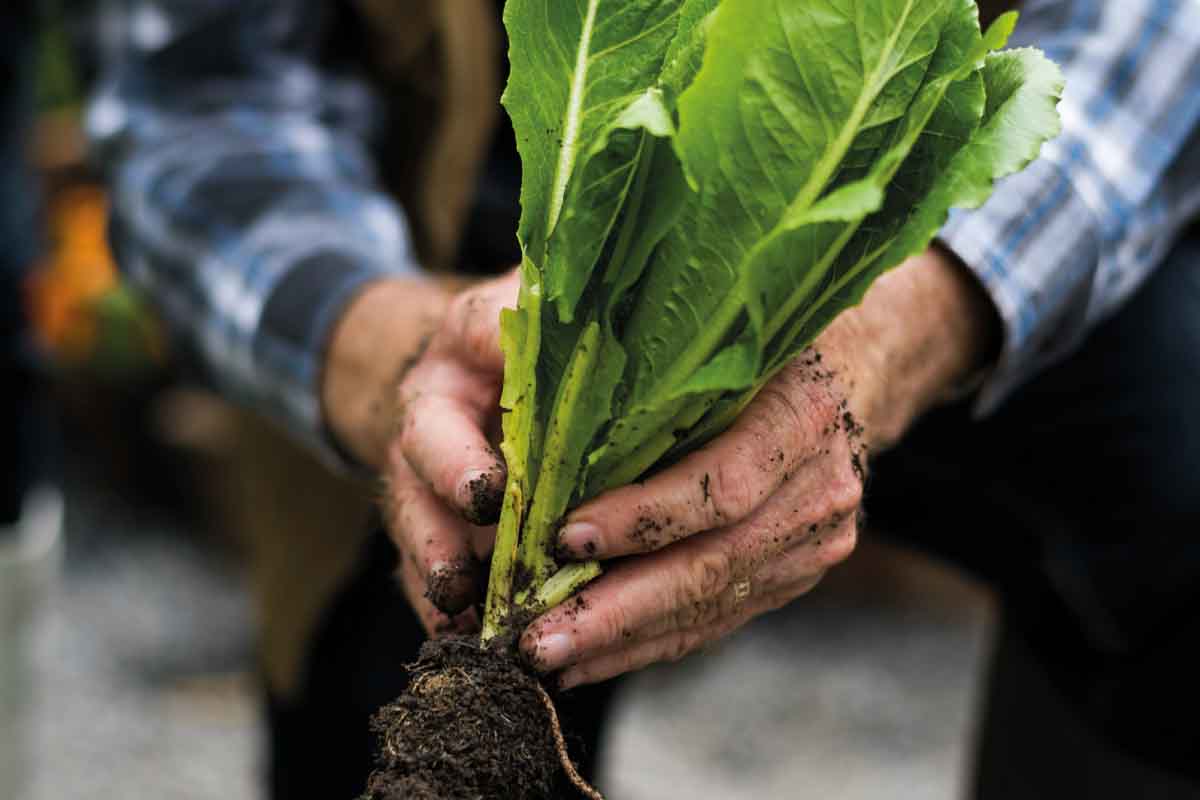
Science is confirming what gardeners have long intuited: when we nurture the soil, we nurture our health. A microbe-rich soil supports not only the growing of vegetables, but also a thriving gut microbiome—the foundation of strong digestion, balanced mood, and resilient immunity.
The human digestive system contains millions of bacteria, fungi, and other microorganisms. This diverse ecosystem is “responsible for helping your gut break down food effectively and allowing your body to digest and absorb nutrients that are essential to metabolism,” says Amy Bragagnini, MS, RD, a clinical oncology dietitian at Trinity Health Lacks Cancer Center and spokesperson for the Academy of Nutrition and Dietetics.
“The hormones that signal hunger and fullness are also impacted by the microbiome,” she adds. “A flourishing microbiome means that you likely feel satisfied after a meal, which can lessen your desire to consume foods high in added sugar throughout the day.”
The gut microbiome also affects mental health through the gut-brain axis—a two-way signaling pathway between the gastrointestinal tract and the central nervous system. Gut microbes even play a key role in shaping the response of the immune system.
Food for microbes
The foods you consume have a big impact on your gut microbiome—affecting the types and numbers of microbes in your gastrointestinal tract, which, in turn, affects your health.
Plant fibers, in particular, support the growth of more beneficial microbes. However, different organisms prefer different foods, so “consuming a varied diet, including a mix of fermented foods, fruits, vegetables, beans, and whole grains, is the best way to optimize the health of your gut,” says Bragagnini.
Immune-supporting superfoods—such as citrus fruits, berries, fatty fish, broccoli, almonds, leafy greens, and yogurt—support immune function and contain dietary fiber that supports a healthy gut microbiome.
It’s also important to limit your intake of added sugars and ultra-processed foods, because these can encourage growth of less beneficial microbes in your gut.
From soil to gut
Research is starting to show that gut and skin microbiomes can be shaped by microbes living in the soil. For example, the number of active species of microorganisms is similar in the human gut and soil. So, when you walk barefoot; get your hands dirty, as with gardening; or eat vegetables grown in microbe-rich soils, you’re influencing the state of your gut microbiome.
A 2022 study even found that families who gardened tended to have a greater diversity of their gut microbiome compared to non-gardening families. Also, gardening families consumed more fiber, which makes sense, because they had a steady supply of fresh vegetables.
Gardening also transfers bacteria from the soil to a person’s skin, according to a 2023 study. This shift lasts only 12 hours, but the researchers wrote that repeated exposure of skin to soil ensures that the microbes stick around, with potential impacts on health.
Healthy soil, healthy gut
When thinking about your gut, it’s important to consider the soil, because the health of the soil influences the gut microbiome. A recent report from Save Soil—a campaign from the global people’s movement Conscious Planet—estimates that 52 percent of agricultural soils are already degraded, which means a decline in their physical, chemical, and biological quality.
Some agriculture experts point to the overuse of plowing and tilling—along with an increasing reliance on pesticides and herbicides—as the reason for the decline in the health of soils. Plowing and tilling disrupt the complex microbial communities in the soil, as do certain pesticides and herbicides.
Food grown in degraded soils may be lower in key nutrients needed for optimum health. Long-term, these nutrient deficiencies in the diet can lead to mental health problems as well as other health conditions.
Give it a grow
While the health of agricultural land used to grow crops is a larger societal issue, backyard gardening is one way to improve the quality of your local soil and nurture your gut microbiome at the same time.
In addition, practicing no-till gardening can improve the soil health and structure even more, and leave the soil microbiome undisturbed. This method, often used by organic or regenerative farmers, involves layering organic material atop the soil year after year. Relying on natural fertilizers such as horse or chicken manure can also add nutrients and organic matter to the soil.
Getting your hands into the soil has a number of other health benefits. “Gardening allows people to get outside and can be a very mindful practice,” says Bragagnini. “This can help reduce stress and inflammation. And the fruits and vegetables that are produced are excellent for our gut health and have disease-fighting properties.”
“Growing a garden can also give you bragging rights at your next family gathering!” she adds.
Supporting immune-gut connection
Several supplements support your gut microbiome, which can also enhance mood and immune function.
Supplement Potential benefits mushrooms may positively affect the gut microbiome and promote anti-inflammatory bacteria garlic may positively affect the gut microbiome and reduce markers of inflammation magnesium may positively influence the gut microbiome and support metabolic health oregano oil may support growth of healthy gut bacteria, according to animal research, and promote gut health soil-based probiotics are beneficial bacteria that originate naturally in healthy soil that support a healthy gut, aiding digestion, immunity, and mood
Vitamin D supports gut and immune function
The gut microbiome and immune system are closely interconnected. While this link is complex, vitamin D plays a key role in this relationship.
Recent research shows that the microbiome shapes immunity and can influence how vitamin D is metabolized in the body. At the same time, vitamin D also helps regulate immunity by maintaining the integrity of the intestinal lining.
This suggests that a vitamin D deficiency, combined with a disrupted gut microbiome, may accelerate age-related immune decline and increase inflammation.
Grow more in less space
No room in your backyard for a large garden? Try growing vegetables in containers tucked on your deck or windowsills. An arbor or trellis can be used to grow sprawling plants like cucumbers, beans, and pumpkins or other squash. Square-foot gardening, which involves dividing beds into small planting squares, is another approach to growing more in less space.
When choosing your crops, include fiber-rich and nutrient-dense ones such as broccoli and cauliflower, leafy greens like kale and spinach, carrots, beets, sweet potatoes, and berries. These will all support gut health.
This article originally appeared on alive.com as “The Dirt on Immunity.”