Not all forms of stress are detrimental to our health (cue massive sigh of relief!). While we’re now aware that chronic stress increases the risk of disease and is associated with a shorter lifespan, we shouldn’t fear stress as a whole.
Certain types of stress may actually improve health and enrich various aspects of our lives. Stress can serve as a guidepost for honoring the body’s needs, it enhances emotional well-being, and it fosters empathy for others.
Embracing the positives of stress and managing its negatives help strike a balance that cultivates physical and mental well-being.
The basics: What is stress?
Any physical or psychological stimulus that disrupts the body’s balance (known as homeostasis) is a stressor.
When the body perceives a stressor, it responds with physiologic and behavioral changes mediated by the nervous, endocrine, and immune systems. This is known as the stress response.
Mindset shifts
- Conquer obstacles to goal completion by consulting the experience of a mentor.
- Reframe past failures as opportunities for learning.
- Use cognitive reappraisal to modify your emotional response to an upsetting experience.
The upside of stress
In contrast to distress, which negatively affects the body and mind, eustress is a term used to describe positive stressors and the beneficial effects of stress.
Positive stressors can actually replenish our energy, improve cardiovascular health, boost endurance, and enhance cognitive function.
Mental and emotional well-being
Some stressors are enjoyable, stimulating, and inspiring. Eustress is linked to psychological well-being, mindfulness, and mental toughness.
Think of projects that you enjoy throwing yourself into; for example, planning a special event, such as a wedding or milestone birthday party. Holding a role of responsibility that you value, such as being an active grandparent, is another example of an enjoyable stress that promotes mental and emotional well-being.
A 2024 study examining the impact of stress among medical students showed that stress built emotional maturity and enhanced their ability to empathize with patients.
Self-efficacy
This outcome of stress speaks to the confidence in one’s ability to achieve a desired outcome. Having eustress is associated with less perceived stress and more self-efficacy. Setting small, achievable goals can improve one’s sense of self-efficacy. Think of completing a weekend project around the house or taking a course for professional advancement.
Among surveyed medical students, performing stressful clinical tasks built confidence and reduced discomfort.
Cognition
Acute stress can foster mental acuity and motivation. Think of the stress you felt when you took exams at school or before giving a presentation at work. That nervous feeling indicates the activation of the fight-or-flight response, which can enhance mental activity during the test or presentation.
In the 2024 study, moderate stress improved medical students’ resilience and motivation to study.
Breathing techniques to ease anxiety
Breathing practices influence oxygenation level, heart rate, and blood pressure and are commonly recommended for managing stress. Techniques are distinguished by varying the duration and intensity of inhalations versus exhalations.
Box breathing is characterized by equal ratios of inhale, hold, exhale, hold. For example, you’d repeat this pattern: inhale for a count of 4, hold for a count of 4, exhale for 4, and hold for 4. This technique has been used by members of the military for stress regulation and performance enhancement.
Cyclic sighing is characterized by taking a deep inhalation followed by another inhalation, then an extended, relatively longer exhalation, repeating for five minutes. Repeating this sighing pattern is associated with psychological relief and nervous-system regulation.
Cyclic hyperventilation with retention is characterized by an emphasis on inhalations of longer duration and relatively greater intensity than exhalations. When this type of breathing emerges reflexively, it’s associated with chronic anxiety and panic. But when this breathing pattern is done deliberately―in a controlled manner―it’s been shown to have therapeutic effects.
Physical performance
The physiological changes that accompany the fight-or-flight response include increased muscle strength, respiratory rate, and heart rate. This allows a person to perform more strenuous activity than usual.
A common example of stress improving physical performance is an athlete who beats their personal record at a high-level competition.
Stress is a signal
“Stress is incredibly helpful, if we pay attention to it,” says stress-management therapist Katie Williams. “It’s our body’s way of giving us important information about how it’s feeling and letting us know that it’s being pushed too far.”
Those who deal with chronic stress are often disconnected from the body’s needs as a result of dysregulation in the nervous system.
“Eating when we’re hungry, drinking when we’re thirsty, moving when we need to, or taking breaks help restore the body’s trust that we’ll provide it what it needs,” says Williams.
Supplements for holiday stress
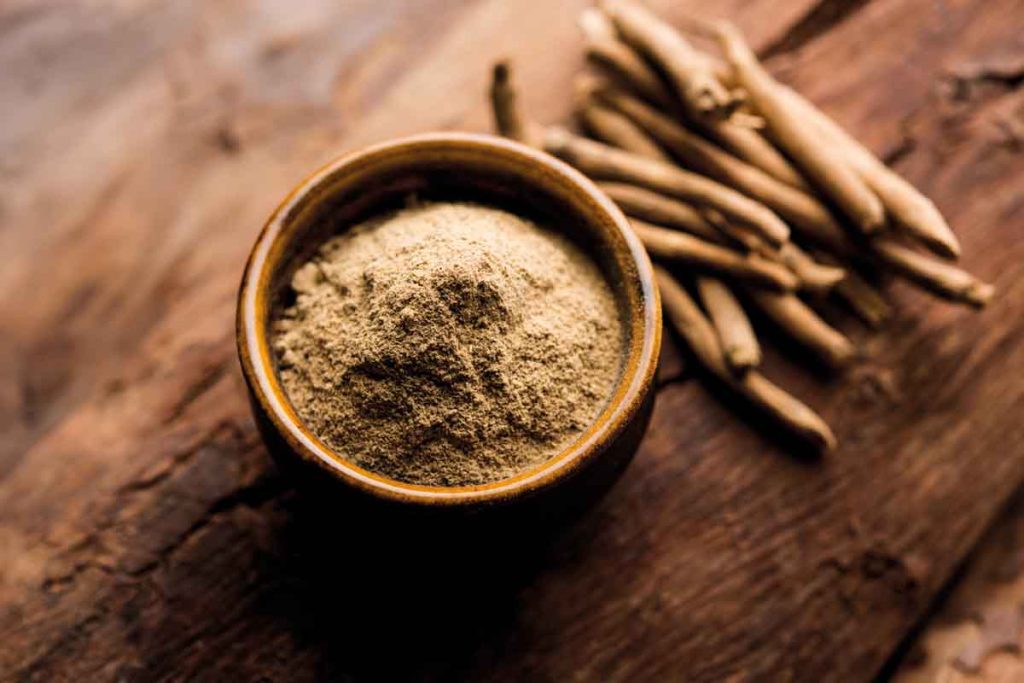
- ashwagandha
- magnesium
- melatonin
- L-theanine
- lemon balm
- ginseng
- GABA
Somatic practices
A powerful tool for managing stress, somatic practices are body-based practices that use body awareness and breath work to release tension and trauma held within the body.
“These practices help regulate the nervous system, retraining it to respond to rather than react to stressors,” says Williams. “Over time, this can reduce the physical and emotional impacts of stress, improve resilience, and support a greater sense of calm and presence in daily life.”
Top sources of stress
From to-do lists to politics, we asked our alive Listens panel what’s adding pressure these days (big or small):
- 55%—health concerns
- 55%—the state of the world
- 53%—money or financial pressures
- 40%—work or career demands
- 38%—feeling overwhelmed by daily tasks
- 34%—parenting or family responsibilities
- 34%—relationships or social dynamics
- 12%—something else
Want in on the conversation? Join alive Listens, our no-stress community of more than 4,500 natural health fans. You’ll receive quick text-based surveys twice a month—and the chance to win one of six $50 Visa gift cards!
This article originally appeared on alive.com as “Stressing the Good Stuff.”