Welcome to Now Trending. Here’s what’s new in the world of natural health!
Zone 2 cardio—your happy place
Zone 2 cardio is a people-pleaser. Unlike its evil twin (HIIT, you know who you are), zone 2 asks only that you nudge your heart rate to a happy middle—think a brisk walk, leisurely bike ride, or chatty hike.
This moderate-intensity, steady-state exercise done at 60 to 70 percent of your maximum heart rate feels comfy enough to hold a conversation, so grab a buddy and get out there! The slower pace of zone 2 improves cardiovascular health and improves mitochondrial function within your cells, delaying age-related decline, reducing the risk of disease, and improving metabolic efficiency.
Vigorous workouts leave you feeling drained? There’s a good reason. High intensity can bump up oxidative stress, while zone 2 cardio lowers or maintains it. So think of hiking forest trails, cycling to farmers’ markets, or strolling on a treadmill as your new, sneaky-genius fitness routine.
Breadfruit rises from island staple to star
Breadfruit, aka Artocarpus altilis (trivia-night gold), has anchored South Pacific diets for centuries thanks to its wild versatility.
You can roast it, boil it, fry it, mash it, bake it—it’s basically the culinary version of that friend who’s annoyingly good at everything! And just when you thought it couldn’t do more, breadfruit comes up with a new side hustle: flour. You can swap it in for white or whole-wheat flour in pancakes, breads, muffins, and pasta, bringing a mild, potato-like flavor that won’t hijack your recipe.
But what really sets it apart? Breadfruit flour is high in soluble fiber and resistant starch, which studies suggest can feed your good gut bacteria and may help keep blood sugar steadier than traditional grains. No wonder more cooks and bakers are giving breadfruit a second look—it’s the comeback kid of the pantry. And if you ask us, it’s showing off a little.
Eco-conscious beauty goes beyond the bottle
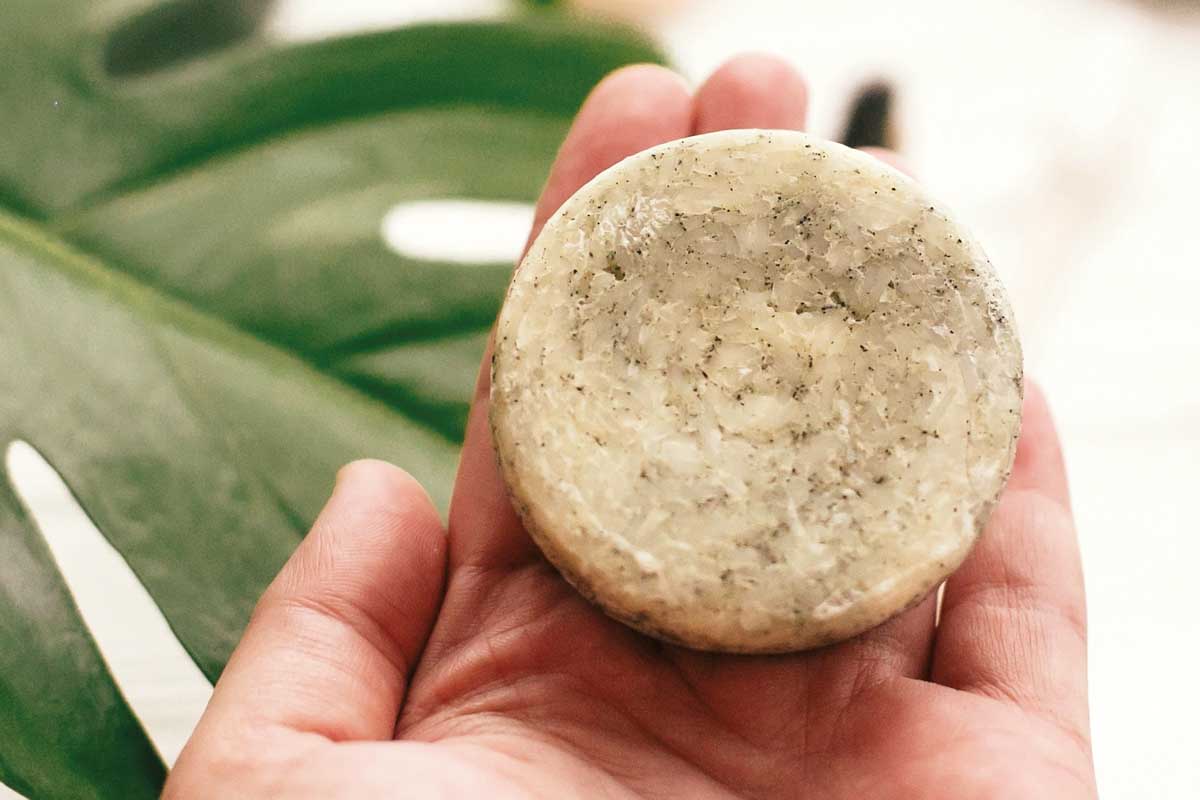
Eco-conscious beauty is having a moment, and it’s about time. At heart, this trend is all about ditching the single-use mindset—whether that means swapping bottles for solid bars or happily refilling the same container when you need a top-up.
First, there’s bar-based beauty: solid shampoo, conditioner, or moisturizer replace bottled products, ditching the plastic they come with. Then there’s the rise of refillables: grab a refill pouch or top up at a refillery and fill your original container, cutting back on throwaway packaging. Both approaches slash plastic waste, nudging us toward more mindful routines.
And there’s another perk to this eco-conscious revolution: going solid or refillable can mean exposing your skin to fewer synthetic preservatives and packaging chemicals, since these formats often skip the additives needed to stabilize bottled products. Studies even hint that less packaging and gentler formulations may reduce the risk of irritation. It’s not just the planet breathing easier!
Algae-based textiles: fashion’s green MVP
Forget everything you know about “eco-friendly” fashion—algae-based fabrics are about to blow your mind. They’re renewable, fast-growing, and biodegradable, without the microplastic baggage of polyester.
Unlike typical synthetics that can stick around in ecosystems for centuries, algae-derived textiles break down naturally and don’t shed the same stubborn microfibers into the environment (or your washing machine!).
When harvested for textiles, algae can be spun into yarns or blended with organic cotton, cutting down water usage and reducing carbon emissions. Algae fibers also tend to be naturally hypoallergenic and free of residual petrochemicals, making them a gentler choice for sensitive skin or anyone who reacts to conventional fabrics. No pesticides, less water, fewer chemicals—in every sense, it’s a lighter footprint, a fabric that feels as fresh as your favorite activewear.
When comfort, style, and the planet all get along this easily, what’s not to love? Sustainable never looked (or felt) so good.
This article was originally published in the February 2026 issue of delicious living magazine.