Build and nurture your inner light during the cold, dark winter.
Lifestyle and winter wellness
The lack of sunlight in winter can create low mood. Daily stress, compounded by the anxiety and insomnia that come with low mood, means the body is less effective at fighting viruses such as those that cause colds and flu.
“Exercise is the best way to maintain immunity,” says Tzu-Chun Lin, a traditional Chinese medicine practitioner. “Take warm food and avoid cold or raw food. Wear socks and use scarves to protect the neck and throat; it’s very important for respiratory health. Using a heating pad behind the neck for 15 minutes before bed can improve sleep quality.”
Ancient medicines
Essential oils have been used for centuries to de-stress and relieve anxiety, but they also have antiviral properties that battle influenza. The essential oils of thyme and peppermint are effective anti-inflammatories against respiratory tract infections, and oil of oregano acts as an antimicrobial in lung tissue. Essential oils are extremely concentrated, so inhale them or dilute in a bath (and avoid using them on children under six).
Wild cherry bark is an expectorant and anti-inflammatory used by the Mohegan and Cherokee peoples to treat sore throats and bronchitis. Wild cherry bark can be used as a cold infusion, decoction, tincture, or syrup.
Winter beauty rituals rooted in tradition
These ancestral self-care rituals from around the globe have stood the test of time—offering warmth, nourishment, and grounded beauty.
Ritual Benefit Abhyanga is a traditional Ayurvedic treatment that uses oil to massage the body head-to-toe; massages can release serotonin and lower cortisol levels Sauna bathing is a treatment that originates in Finland and entails relaxing in a hot room to induce sweating; it’s been associated with decreased levels of pulmonary disease, cardiovascular disease, neurocognitive disease, and headaches Herbal steams involve placing your face over a bowl of hot water infused with herbs like chamomile or rosemary and are rooted in numerous ancient traditions around the world.; the steam opens facial pores, relieves congestion, and delivers benefits of the chosen herb Masking with rhassoul clay from Morocco may help detoxify the skin and hair, due in part to its rich potassium and magnesium content Yuzu baths are a winter Japanese ritual in which the citrus fruit is steeped in a warm bath, infusing the water with its antioxidant- and vitamin C-rich properties
Traditional knowledge
Rosehips
First Nations peoples across Canada use rosehips to reduce the incidence of colds and the number of symptoms. Use 1 to 2 tsp of dried rosehips, infuse into 1 cup of boiled water for 10 to 15 minutes, and add honey, if desired.
Cedar leaves
These leaves, which have anti-inflammatory and antibacterial properties, are used for coughs and congestion. Simmer a handful of fresh cedar leaves in 4 cups of water for 15 minutes, then sweeten, to taste.
Sage
Indigenous peoples use sage for its antiviral properties. Simmer sage in water, let it cool, and gargle to treat laryngitis and tonsillitis.
Yarrow
This traditional medicinal is thought to heal colds and flu by clearing mucus and soothing pain and inflammation. Buy it loose or as a tincture and make it into tea.
Recognizing and managing stress
Stress, anxiety, and low mood are not unalterable states of being. We can recognize stressors and manage our response to them. Creating a winter toolkit and home apothecary is an effective, affordable way to maintain positive mood, recover from colds and flu, and support the immune system.
Winter apothecary checklist
Must-haves
Herb Benefit How to use garlic is an immune-system tonic and antimicrobial add raw to soups and stews cayenne contains capsaicin; simulates circulation for warmth; encourages sweating to clear pathogens sprinkle in warm water and add lemon licorice root is antiviral, antimicrobial, and anti-inflammatory; stimulates immune system add 1 tsp chopped root to 1 cup boiling water; simmer for 10 to 20 minutes chamomile stimulates immune response; is an anti-inflammatory and antioxidant steep in hot water Nice-to-haves
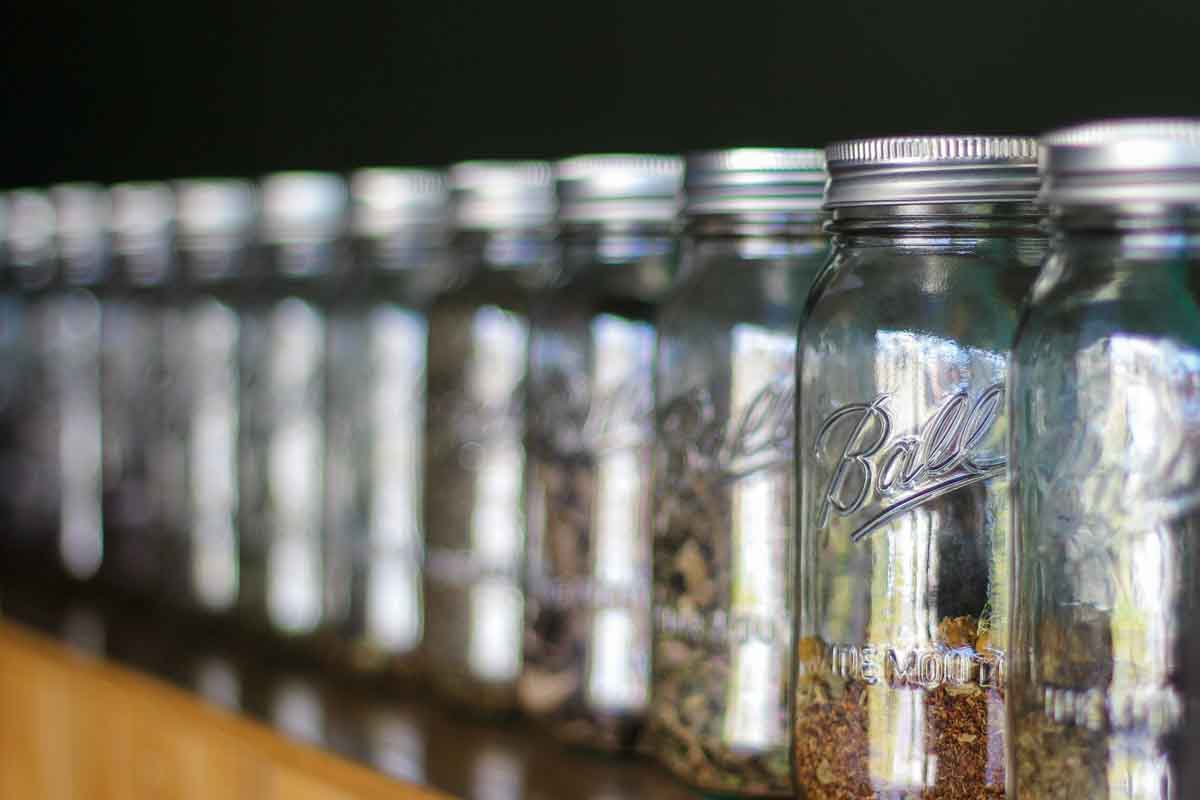
Herb Benefit How to use astragalus are antiviral add dried slices to soups and stews mullein leaf is an anti-inflammatory and expectorant; used to soothe barky coughs infuse 1/2 cup dried leaves in hot water for 20 minutes, strain through coffee filter tulsi (holy basil) is an expectorant; balances the chakras; used to lift mood and relieve stress combine 1 tsp in 1 cup hot water anise hyssop (hyssop) is antiviral; decongestant; used to soothe cough and sore throat add 1 tsp fresh anise hyssop leaves and flowers (2 tsp dried) into 1 cup hot water, steep for 10 to 15 minutes, strain Place all plant medicines in glass jars, label with the date, and store in a dry place.
This article originally appeared on alive.com as “Create a Home Toolkit for Cold-Weather Health and Wellness.”