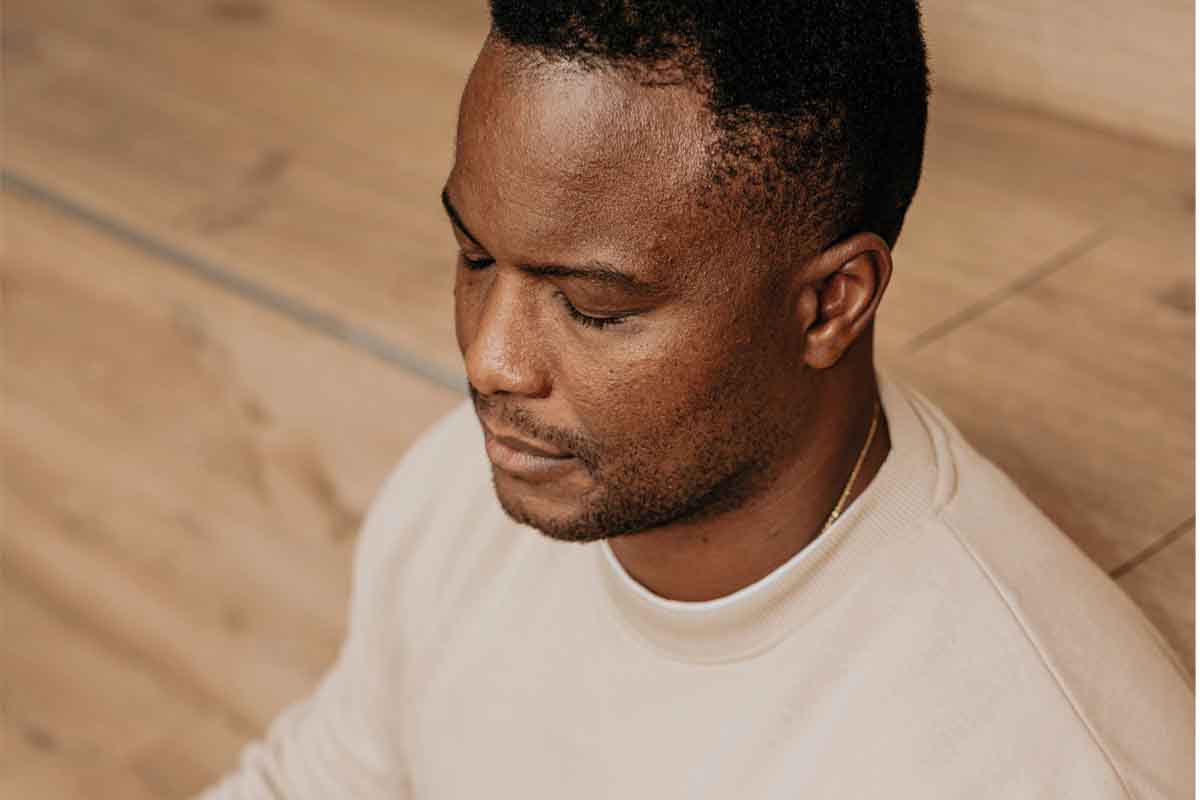
As you’re about to start that fast or whole-food cleanse to rid yourself of the excesses of this past year, take a moment to think about other things you might be holding onto. Consider what you can’t see, like the emotional or spiritual residue of chronic stress or unresolved trauma. These can have a big impact on not just your mental well-being, but they can also affect your physical health.
One way to reset is by making space for your emotions and letting them move through your system. Think of it as a detox for your body and your soul.
Feeling the feels
While emotions are often seen as positive or negative, all emotions are adaptive under the right circumstances. Problems arise when they aren’t freely experienced and expressed.
In particular, “fear and resentment can be toxic and have health consequences,” says Anna Runkle, known as the Crappy Childhood Fairy and author of Connectability: Heal the Hidden Ways You Isolate, Find Your People, And Feel (At Last) Like You Belong (Hay House, 2025).
When the nervous system becomes trapped in a “fight-or-flight” response, it can lead to chronic stress, which increases the risk of health concerns like depression, anxiety, heart problems, and digestive issues.
Other medical conditions linked to stress or trauma include irritable bowel syndrome and fibromyalgia. Adverse childhood experiences can even contribute to health problems later in life, including a higher risk of cancer, diabetes, heart disease, and suicide.
“Stuck” emotions can show up anywhere, but they’re often felt in the airways, heart, and gut. Research shows, however, that being able to regulate your emotions leads to better mental and physical well-being.
Says Runkle, “When I started my daily practice, I recovered from health problems that are very common for people who had a rough childhood like I did—asthma, back pain, knee pain, and migraines.”
Freeing stuck emotions
Our brains are wired to prioritize bad over good, because this helped early humans survive in dangerous environments. This “negativity bias” continues today, but there are ways to shift away from it.
Bilateral stimulation
Simple rhythmic activities that engage both sides of your body can activate your vagus nerve and trigger the body’s “rest and digest” mode, helping you feel calmer. Walking is a great bilateral activity. So is the “butterfly hug,” where you cross your arms over your chest and alternately tap each shoulder or upper arm.
Forgiveness and gratitude
Forgiveness of others has been linked to greater physical health, including reduced pain symptoms and improved cardiovascular health. And practicing acts of gratitude can boost heart health and well-being.
Writing it down
The daily practice Runkle teaches involves writing your fears, resentments, and other emotions down on paper, then tearing it up. “It’s a way to surrender all this stuff,” she says. “The whole point is to forget about it.
“When I started writing and meditating regularly, it gave me a chance to release the awful thoughts and feelings that were always going through my head,” Runkle says.
Research shows that expressive writing improves both physical and mental health, especially for people who have experienced trauma. Runkle believes the practice she teaches also benefits people struggling with other types of stress.
“People have taught this practice to those in hospice, kids in school, prisoners, and men’s groups,” she says. “It’s very flexible and can meet you where you are.”
Body-based therapies
Body-based therapies can build capacity in your nervous system to hold and process emotions. This isn’t about feeling happy all the time; rather it’s about being able to move in and out of what feels good and what doesn’t.
Therapies, including Somatic Experiencing and Eye Movement Desensitization and Reprocessing, may be particularly effective at releasing trauma stored in the body. Meditation, yoga, and breathwork can also reduce stress and improve mental health.
Diet and exercise
For the most benefit, pair emotional healing with other supportive practices. Eating a healthy diet, such as a plant-forward Mediterranean diet, and getting plenty of physical activity can both help boost mood. Spending time in nature, whether in a forest or at the seashore, can contribute to emotional well-being.
Reaching out to another person who can hold space for you while you’re working through difficult emotions—a spouse or partner, a friend, or a therapist—can also help ease your distress. Most importantly, the key to resetting your emotional well-being is to find what works for you.
Soul-soothing supplements
Supplement Potential effects B vitamin complex may help to improve overall mood and reduce stress essential oils such as lemon, eucalyptus, tea tree, and peppermint may lower perceived stress levels gamma-aminobutyric acid (GABA) may help relieve stress, although more research is needed herbal teas such as lavender and chamomile may relieve anxiety L-theanine has been linked to reduction in stress and anxiety symptoms probiotics may help relieve anxiety
This article originally appeared on alive.com as “Emotional Detox.”